
方谬神探
美媒感慨:从耐克到通用汽车 美国品牌为何在中国不吃香了_我的网站

一 |
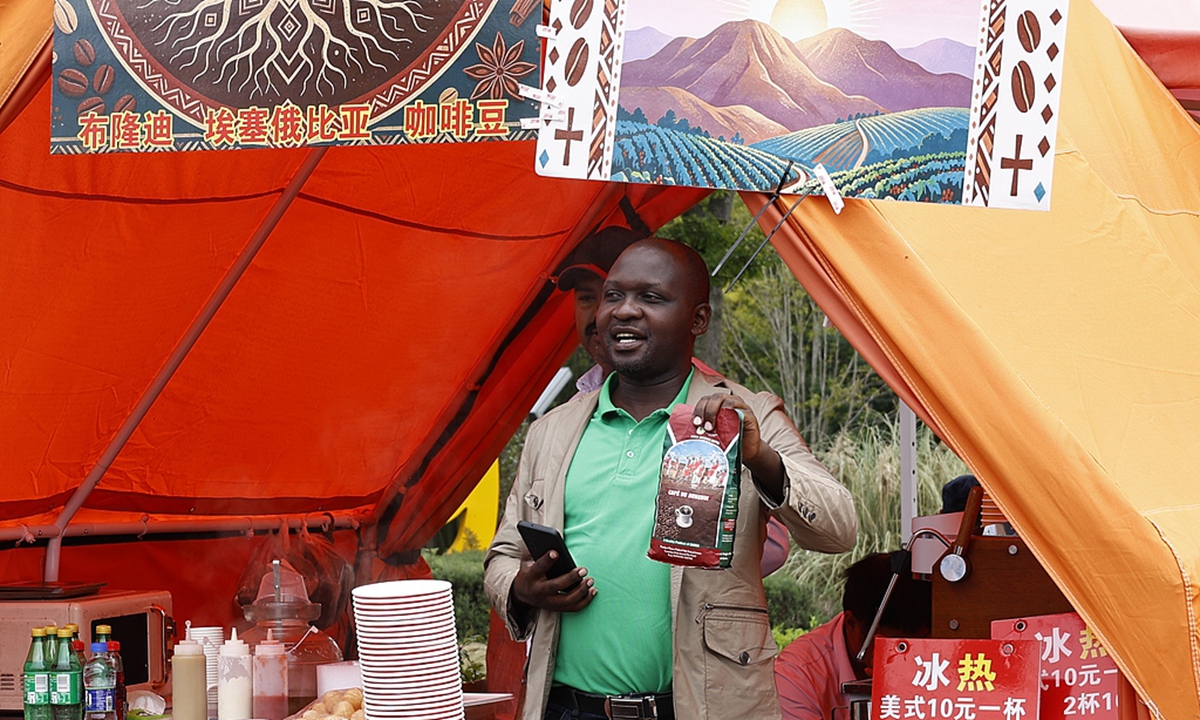

For Ethiopia, which is believed to be the birthplace of coffee, this initiative presents significant opportunities.
"Coffee is not only our leading agricultural export but also an integral part of our cultural heritage. For centuries, Ethiopians have preserved a unique coffee tradition, where families and neighbors gather to prepare and share coffee in a ceremony that symbolizes hospitality and friendship in community," Geleta said.
With improved market access, Ethiopian coffee exports to China are expected to grow substantially. China has become one of the world's fastest-growing coffee consumption markets and is now Ethiopia's third-largest coffee export destination, Geleta noted.
In 2025, China's coffee industry was valued at 354.9 billion yuan ($52.63 billion), up 13.3 percent year on year. Annual per capita consumption rose from 22.24 cups to 28.57 cups, while the value of coffee bean imports increased by 73.9 percent year on year, according to the 2026 China Urban Coffee Development Report released in July.
The Ethiopian diplomat believes China's zero-tariff policy will enhance the competitiveness of Ethiopian coffee, increase export earnings, and encourage greater investment across the coffee value chain, including processing, packaging, branding, logistics and quality certification.
Since July 20 this year, China has granted full market access to coffee beans meeting quarantine requirements from all African countries that have diplomatic ties with China. The full market access is regarded as a landmark achievement in China-Africa cooperation on agricultural market access.
Geleta said that Ethiopia warmly welcomes this landmark policy. Having joined China's zero-tariff arrangement in 2024, the East African country has already witnessed its positive impact on bilateral trade and economic cooperation.
"The policy goes beyond tariff preferences. It demonstrates a practical commitment to South-South cooperation based on mutual respect, shared development and win-win partnership," Geleta noted.
It creates new opportunities for African countries to diversify exports, strengthen productive capacity and participate more actively in global value chains, the diplomat said.
As members of the Global South, Ethiopia and China share a common vision of promoting inclusive and sustainable development. This zero-tariff initiative establishes a valuable benchmark for building agricultural trade rules that better reflect the development needs of emerging economies, she noted.
It also complements the objectives of the FOCAC and the African Continental Free Trade Area (AfCFTA) by supporting greater regional integration and international market access, said Geleta. AfCFTA is a flagship initiative of the African Union designed to transform the continent into the world's largest free-trade area, per the AU.
From Geleta's observation, the market access granted by China is not merely a trade policy, but also a practical example of development cooperation that benefits ordinary people.
Coffee farming sustains millions of Ethiopian households, so greater access to China's market bears direct significance for poverty alleviation, rural advancement and national economic transformation. The policies foster steady demand for Ethiopian coffee, increasing farmer's earnings and bolstering rural community resilience, she said. Such gains closely echo the China-proposed Global Development Initiative, which emphasizes poverty reduction, food security, inclusive growth and sustainable development.
The diplomat said Ethiopia welcomes Chinese investment in agricultural processing, cold-chain logistics, food manufacturing and value-added industries in Ethiopia. Such investment will support industrialization, technology transfer and job creation while strengthening resilient supply chains, Geleta added.
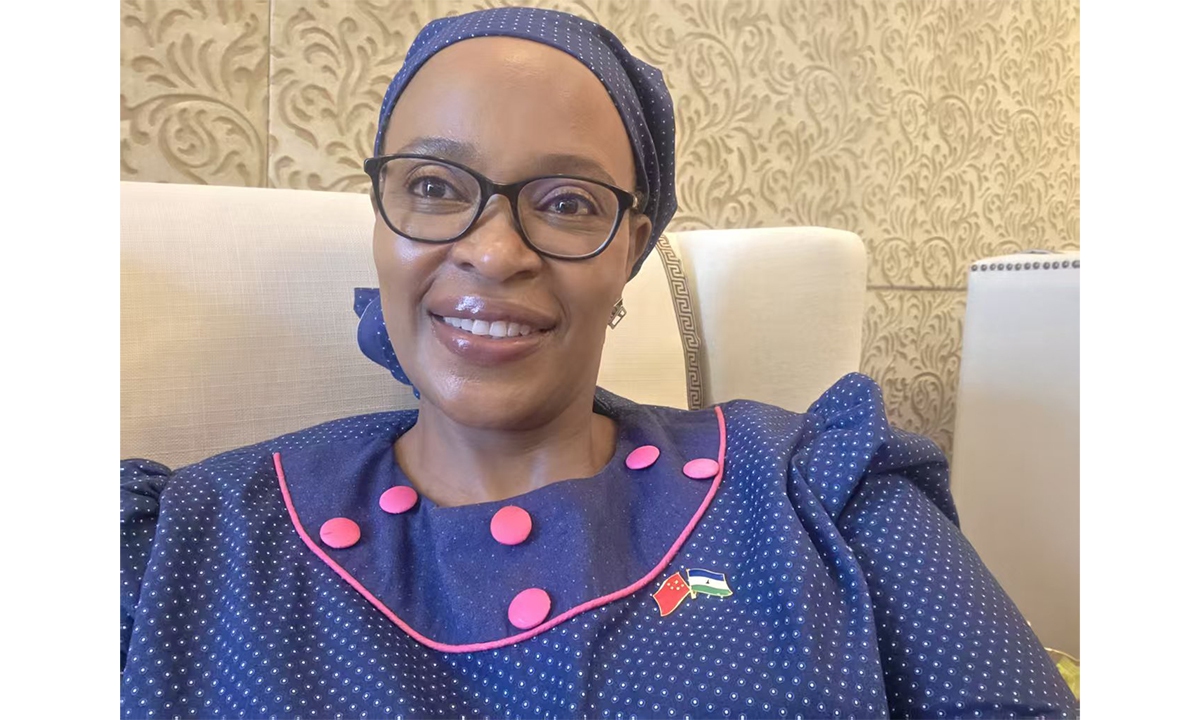
Mile said the policy provides a structured, phased approach to reducing trade difficulties and securing institutional guarantees. "It perfectly embodies the strong, historical foundations built through FOCAC over the years to forge a modernized, forward-looking economic future."
Amid comments saying that African countries still face challenges beyond tariffs, including logistics, standards and market-access capacity, Ambassador Mile of Lesotho said that tariff reduction is a necessary condition for trade expansion; however, more conditions are required to reach deals.
Take Lesotho, a landlocked country, for instance. The country faces acute logistical hurdles and high transport costs. Complying with sanitary and phytosanitary measures, as well as quality standards remains a massive challenge for many enterprises in Lesotho.
To fully benefit from the favorable tariff policy, Mile pointed to systemic technical support for African exporters, targeted investments in agro-processing, and enhanced trade facilitation.
"Initiatives recently introduced by China Customs, such as the 'Green Channel 2.0' for agricultural products and expanding authorized economic operator mutual recognition capacity building, are exactly the types of institutional support needed to overcome the non-tariff barriers," she elaborated.
。
快科技8月23日消息,据报道,近期,美国消费者新闻与商业频道(CNBC)发文称,耐克、星巴克、通用汽车等多个深耕中国市场多年的美国品牌,近年相继出现市场份额下滑、营收萎缩、增长停滞等问题。运动服饰领域方面,数据显示,自2021年以来,耐克中国业务规模缩水约30%,营收跌至近八年最低。但国内的运动消费市场却在持续扩容,全民健身热潮带动行业规模十年翻倍。

二 |
 市场需求稳步增长的背景下,安踏、李宁等本土品牌凭借贴合国人审美的产品设计、高效灵活的供应链以及精准的本土化营销快速崛起,逐步抢占市场份额。而耐克固守全球统一的运营模式,难以适配国内消费市场的快速迭代,市场竞争力持续弱化。

三 | 此外,曾长期垄断国内高端咖啡市场的星巴克,如今优势也不复存在了。瑞幸咖啡依托数字化运营、平价定位和外卖模式迅速扩张,门店数量已是星巴克的三倍有余,精准俘获主流消费群体。
 汽车行业的市场更迭最为彻底。曾在华年利润超20亿美元的通用汽车,如今已连续两年在华亏损。国内汽车市场全面迈向新能源、智能化时代,新能源汽车渗透率已超六成。

四 | 比亚迪、理想、小鹏等本土车企紧跟产业趋势,在智能座舱、辅助驾驶、产品迭代速度上优势显著。而通用等传统美企固守原有发展模式,未能跟上国内产业变革节奏,产品与市场主流需求严重脱节。

Current article:http://i60hl07.diaoengngtengdiachanpiezao.sbs/news/20260826_35501.html
Published on:16:16:24
我的网站最近更新
- 65歳・浅野ゆう子 イケメン夫を公開!「素敵ですね」電撃結婚から9年…夫婦でハワイ満喫
- 高碑店至北京定制通勤快巴线路开始试运营
- 四川宜宾市长宁县发生4.7级地震,震源深度5公里
- 现在订车年底前有望还能提车 小米YU7三款配置不同交付时间公布
- 今年最强!“梅花”登陆!
- 海峡两岸(福建)书院文化交流活动在厦启动
- 【观点】光大期货:钢厂采购力度加大,焦炭短期震荡运行
- MG Cyberster Black/方盒子Cyber X概念车将亮相古德伍德速度节
- 小红书,正在批量造富
- 江西铜业股份:上半年归母净利润88.97亿元,同比增长99.91%
- 富阳区打造基层矛盾化解新范式 “头雁”组团 一线止争
- 【政策宣传】2025年春季学期学前教育资助政策宣传
- 官方通报广西桂平一船舶失控漂流:已安全停泊,无人员伤亡
- 我省大力化解国有企业不动产登记历史遗留问题
- 見ず知らずの少年に暴行を受け息子(16)は命を奪われた「主人は怒りのような声を上げ、うちの家は地獄のような状態になった」【大阪少年暴行死事件(3)】
- 一个以上的新年开幕:一个以上的手机6(8GB 128GB)版本2668元6期免息
- 空调被、夏凉被是否经得住“烤”验?
- 9月跟iPhone 18 Pro同台发布!Apple Watch S12支持血压提醒、陶瓷表壳回归
- 驾高度超标大卡车入CTE隧道 39岁司机被捕
- 国产《动物朋克》全新实机预告!兔子哥爆帅砍机甲
- “形势十分严峻”,2028年洛杉矶奥运会能否成功举办引质疑
- 立昂微:拟投资约30亿元建设12英寸半导体硅片项目
- 新西兰儿童部被严厉警告:“完全不可接受”
- 坐穿板凳!巴萨10号怒踢水瓶发脾气:仅9次出场,不满主帅
我的网站热门资讯
- “越权且不负责任”,俄美共同批评联大主席贝尔伯克
- 佳能在2018年的数字单反和非逆向销售中位居日本第一。
- 泉河水磨历沧桑
- 全市“两优一先”风采录丨张雪:发挥作用做表率 当好致富“引路人”
- 47名“猴哥”惊现广西边境小草丛
- 2019年三星手机屏幕指纹爆炸
- 《惊声尖叫》共演影星及 王国之心2.8:终章高清版 与 直到黎明 粉丝纷纷向海登·潘妮蒂尔表达致敬
- 国内商品期市夜盘收盘多数下跌,能源品跌幅居前
- 【期股联动】燃油主力暴跌超7%!美伊停火曙光重挫油市,化工板块集体崩塌
- 被曲解的“蒙娜丽莎”迷人的目光
- 惊天手笔!市值85亿公司狂砸百亿买设备,赌上全部身家押注AI算力
- 北京监狱开通支付宝扫码押金:每月一次,最高每次1000元。
- 一次关键压力测试,市场还有潜力吗?
- 全家出游订酒店哪个平台靠谱?2026去哪儿家庭出行酒店入住保障与避坑指南
- 智能拳击手套和沙袋可用于每月订阅费用
- 湖南推动全产业链数字化转型
- 全国首次集中亮相,约5500万年前的抚顺,长这样……
- 什么是适配唐山短途出行的多玛乐园亲子套票
- 余杭经济开发区以项目建设夯实产业根基
- 「あっ福山夫人」「少しふっくら?」福山雅治との結婚から11年…43歳・吹石一恵の最新ショットに反響「待ってましたぁ!」「めっちゃくっちゃ…久しぶり」
- 这些“油老虎”,为何被政治骗子拿捏
- 「フランスではアイスなの」 フランス人カップルが仰天 母国で食べていたものとは違う日本の伝統的な和菓子とは
- 轻花优品利息违规
- 116个科技小院助力乡村全面振兴